

Uncovering Zoning Law Violations: A Closer Look
Zoning laws are a fundamental aspect of urban planning and land use regulation. They serve as a framework that dictates how land can be utilized within a specific area, ensuring that the development aligns with the community’s goals and needs. I have come to appreciate that these laws are not merely bureaucratic hurdles; they are essential for maintaining order and harmony in our neighborhoods. By categorizing land into various zones—such as residential, commercial, industrial, and agricultural—zoning laws help to minimize conflicts between different land uses. For instance, I find it reassuring to know that my residential neighborhood is protected from the encroachment of heavy industrial activities, which could disrupt the peace and safety of my community.
Moreover, zoning laws are often influenced by a variety of factors, including population density, environmental considerations, and economic development goals. As I delve deeper into this subject, I realize that these regulations can vary significantly from one municipality to another. Each local government has the authority to establish its own zoning ordinances, which means that what is permissible in one area may not be allowed in another. This localized approach allows communities to tailor their land use policies to reflect their unique characteristics and aspirations. Understanding these nuances has helped me appreciate the importance of zoning laws in shaping the physical and social landscape of our towns and cities.
Zoning law violations can lead to significant legal challenges for property owners and developers, often resulting in fines or the need to alter existing structures. For a deeper understanding of the implications of zoning regulations and how to navigate potential violations, you can refer to a related article that discusses the complexities of zoning laws and their enforcement. To learn more, visit this article.
Common Zoning Law Violations
As I explore the realm of zoning law violations, I find that there are several common infractions that property owners and developers often encounter. One prevalent violation is the unauthorized use of land. For example, I have seen instances where individuals convert residential properties into commercial spaces without obtaining the necessary permits or approvals. This not only disrupts the intended use of the area but can also lead to conflicts with neighbors who expect a certain quality of life in their residential community.
Another frequent violation involves building structures that exceed height restrictions or fail to meet setback requirements. I have observed how some property owners may construct additions or new buildings without adhering to the established guidelines, which can obstruct views, reduce sunlight, or encroach on neighboring properties. These violations can create tension among residents and lead to disputes that may require legal intervention. Understanding these common infractions has made me more aware of the importance of compliance with zoning regulations.
Consequences of Zoning Law Violations
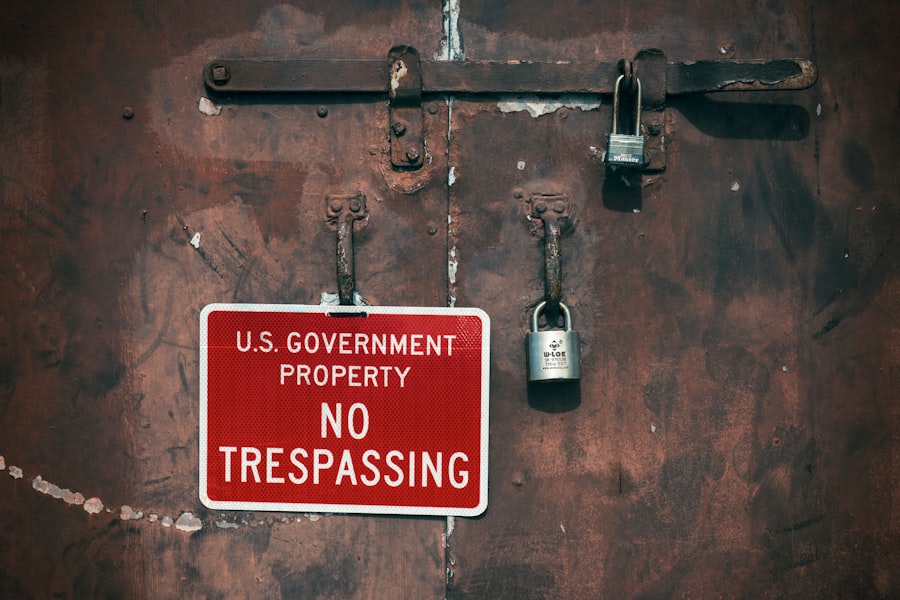
The consequences of violating zoning laws can be quite severe, impacting both individuals and communities at large. When I consider the potential repercussions, I realize that property owners may face fines or penalties imposed by local authorities. These financial consequences can accumulate quickly, especially if the violation is not addressed promptly.
In some cases, I have seen municipalities issue cease-and-desist orders, requiring property owners to halt any ongoing construction or use of the property until compliance is achieved. Beyond financial penalties, zoning law violations can also lead to legal disputes and litigation. I have learned that neighbors who feel aggrieved by a violation may take legal action against the offending property owner, seeking remedies through the court system.
This not only creates a hostile environment within the community but can also result in costly legal fees for all parties involved. The potential for such conflicts underscores the importance of adhering to zoning regulations and maintaining open lines of communication with neighbors and local authorities.
How to Identify Zoning Law Violations
Identifying zoning law violations requires a keen eye and an understanding of local regulations. As I navigate this process, I have found that one of the first steps is to familiarize myself with the specific zoning ordinances applicable to my area. Many municipalities provide access to zoning maps and regulations online, allowing me to review the designated land uses and any restrictions that may apply. By doing so, I can better assess whether a particular property is in compliance with local laws.
In addition to reviewing official documents, I have learned that observing changes in my neighborhood can also help identify potential violations. For instance, if I notice a new business operating in a residential area or construction that appears to exceed height limits, it may warrant further investigation. Engaging with neighbors and discussing any concerns can also provide valuable insights into potential violations. By fostering a sense of community awareness, I can contribute to ensuring that our neighborhood remains compliant with zoning laws.
Zoning law violations can lead to significant legal challenges for property owners and developers, often resulting in costly fines and necessary compliance measures. For those interested in understanding the broader implications of legal issues, a related article discusses common mistakes individuals make after a car accident, which can also have serious repercussions. You can read more about these pitfalls in the article found here. Understanding the importance of adhering to regulations in both zoning and personal injury cases can help individuals navigate their legal responsibilities more effectively.
Reporting Zoning Law Violations
When I suspect a zoning law violation, it is crucial to know how to report it effectively. Most municipalities have established procedures for residents to report suspected violations, often through their planning or zoning departments. I have found that providing detailed information about the alleged violation is essential for a thorough investigation. This may include taking photographs, noting specific addresses, and documenting any relevant dates or events related to the violation.
In my experience, it is also helpful to remain respectful and professional when reporting a violation. Local officials are often more receptive to concerns expressed in a constructive manner rather than through confrontational approaches. By presenting my observations clearly and calmly, I can facilitate a more productive dialogue with authorities who are tasked with enforcing zoning laws. Ultimately, reporting violations not only helps maintain compliance but also contributes to the overall well-being of my community.
Zoning law violations can lead to significant legal challenges for property owners and developers, impacting everything from property values to community planning. For those seeking to understand the implications of these violations more deeply, a related article can provide valuable insights. You can explore more about the legal landscape surrounding zoning issues by visiting this informative resource that discusses various aspects of zoning regulations and their enforcement. Understanding these laws is crucial for anyone involved in real estate or urban development.
Resolving Zoning Law Violations
Resolving zoning law violations can be a complex process that requires cooperation between property owners, local authorities, and sometimes even neighbors. When I encounter a situation where a violation has occurred, I understand that open communication is key. Property owners may need to engage with local zoning officials to discuss the nature of the violation and explore potential remedies. In some cases, this may involve applying for variances or special permits that allow for deviations from existing regulations.
I have learned that addressing violations promptly is crucial for minimizing potential consequences. Delaying action can lead to escalating fines or legal disputes, which can be detrimental for all parties involved. By proactively seeking solutions and demonstrating a willingness to comply with zoning laws, property owners can often resolve issues amicably and restore harmony within the community.
Legal Ramifications of Zoning Law Violations
The legal ramifications of zoning law violations can be significant and far-reaching. As I delve into this aspect, I realize that property owners who fail to comply with zoning regulations may face lawsuits from neighbors or local governments seeking enforcement actions. These legal battles can be time-consuming and costly, often resulting in financial strain for those involved. In some instances, courts may order property owners to dismantle unauthorized structures or cease illegal activities altogether.
Additionally, repeated violations can lead to more severe consequences, including criminal charges in extreme cases. I have come across instances where persistent noncompliance has resulted in criminal prosecution for property owners who blatantly disregard zoning laws. This highlights the importance of understanding and adhering to local regulations—not only to avoid financial penalties but also to protect one’s legal standing within the community.
Preventing Zoning Law Violations
Preventing zoning law violations requires proactive measures and a commitment to compliance from all stakeholders involved in land use and development. As I reflect on this topic, I recognize that education plays a vital role in prevention efforts. Local governments should prioritize informing residents about zoning regulations through workshops, informational sessions, and accessible online resources. By fostering awareness of these laws, communities can empower individuals to make informed decisions regarding their properties.
Moreover, collaboration between property owners and local authorities is essential for preventing violations before they occur. I believe that establishing open lines of communication can help address potential issues early on, allowing for constructive dialogue about proposed developments or changes in land use. By working together towards common goals—such as maintaining neighborhood character and ensuring public safety—communities can create an environment where zoning laws are respected and upheld.
In conclusion, understanding zoning laws is crucial for anyone involved in property ownership or development. By recognizing common violations, their consequences, and how to identify and report them, I can contribute positively to my community’s well-being. Through proactive measures and collaboration with local authorities, we can work together to prevent zoning law violations and ensure our neighborhoods remain vibrant and harmonious places to live.
FAQs
What are zoning law violations?
Zoning law violations occur when a property owner or occupant uses their property in a way that is not permitted by the local zoning regulations. This can include using the property for a different type of business than what is allowed, building structures that exceed height or size limits, or using the property for residential purposes in a commercial zone.
What are the consequences of zoning law violations?
Consequences of zoning law violations can include fines, legal action, and being required to cease the violating activity or remove the non-compliant structures. In some cases, the property owner may be required to obtain a variance or special permit to continue the non-compliant use.
How can zoning law violations be identified?
Zoning law violations can be identified through complaints from neighbors, routine inspections by local zoning officials, or through the permitting process when a property owner seeks approval for a new use or construction.
How can property owners remedy zoning law violations?
Property owners can remedy zoning law violations by ceasing the non-compliant activity, removing non-compliant structures, obtaining the necessary permits or variances, or seeking legal counsel to address the violation.
What should property owners do if they are accused of a zoning law violation?
If a property owner is accused of a zoning law violation, they should seek legal advice from an attorney who specializes in land use and zoning law. It is important to understand the specific regulations and options for addressing the violation.