

Navigating Insurance Law Claims: What You Need to Know
When I first received my insurance policy, I was overwhelmed by the sheer volume of information contained within it. The fine print seemed daunting, and I often found myself skimming through sections without fully grasping their implications. However, I quickly learned that understanding my insurance policy is crucial for making informed decisions and ensuring that I am adequately protected. Each policy is unique, with specific terms, conditions, and exclusions that can significantly impact my coverage. By taking the time to read and comprehend my policy, I can avoid unpleasant surprises when I need to file a claim.
One of the most important aspects of my insurance policy is the coverage limits. These limits dictate the maximum amount the insurer will pay for a covered loss. I realized that if I were to experience a significant event, such as a car accident or property damage, understanding these limits would be essential in determining whether I would be financially protected. Additionally, I learned about deductibles—the amount I must pay out of pocket before my insurance kicks in. Familiarizing myself with these terms has empowered me to make better choices regarding my coverage and has given me peace of mind knowing that I am prepared for unexpected events.
When navigating the complexities of insurance law claims, understanding the importance of having legal representation can be crucial. A related article that delves into this topic is titled “5 Reasons Why You Need a Car Accident Lawyer After a Collision.” This piece outlines the various ways a car accident lawyer can assist individuals in maximizing their insurance claims and ensuring they receive the compensation they deserve. For more insights, you can read the article here: 5 Reasons Why You Need a Car Accident Lawyer After a Collision.
Filing a Claim: The Process and Requirements
Filing an insurance claim can be a daunting task, but I found that breaking it down into manageable steps made the process more straightforward. The first step is to notify my insurance company as soon as possible after the incident occurs. This prompt communication is crucial because many policies have specific timeframes within which claims must be reported. I learned that gathering all necessary documentation, such as photographs, police reports, and receipts, is essential to support my claim. This evidence not only strengthens my case but also helps expedite the claims process.
Once I have submitted my claim, I must be prepared for the next steps, which often involve an investigation by the insurance company. This investigation may include interviews with me and any witnesses, as well as a review of the evidence I provided. Throughout this process, I found it helpful to maintain open lines of communication with my insurer. Regularly checking in on the status of my claim allowed me to stay informed and address any questions or concerns that arose. Understanding the requirements and expectations during this phase has made me feel more confident in navigating the claims process.
Common Types of Insurance Claims
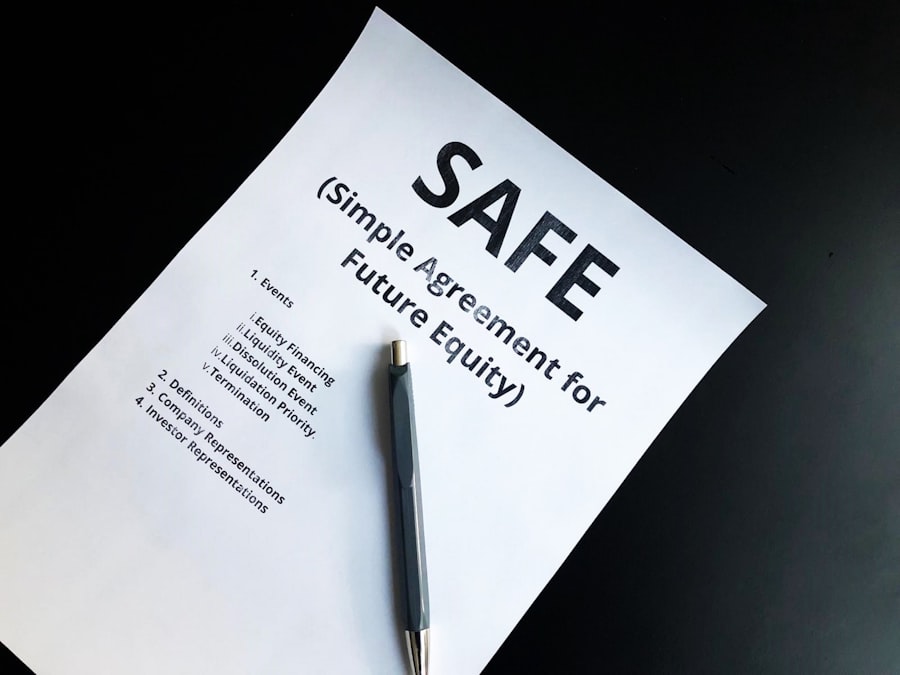
As I delved deeper into the world of insurance, I discovered that there are several common types of claims that individuals typically file. One of the most prevalent is auto insurance claims, which can arise from accidents, theft, or damage to my vehicle. Understanding the nuances of auto insurance claims has been invaluable, especially since car accidents can be stressful and chaotic experiences.
Knowing what information to gather and how to communicate with my insurer has made it easier for me to navigate these situations. Another common type of claim is related to homeowners’ insurance. Whether it’s damage from a natural disaster, theft, or liability claims resulting from accidents on my property, homeowners’ insurance claims can be complex.
I learned that documenting any damage thoroughly and promptly reporting it to my insurer is crucial for a successful claim. Additionally, understanding the specific coverage provided by my policy has helped me determine whether certain incidents are covered or if I need additional protection.
Dealing with Insurance Adjusters

Interacting with insurance adjusters can be one of the more challenging aspects of filing a claim. When I first encountered an adjuster, I felt a mix of apprehension and uncertainty about how to communicate effectively. Adjusters are responsible for evaluating claims and determining the amount the insurance company will pay. It became clear to me that building a rapport with them could significantly impact the outcome of my claim. Being polite and professional while providing them with all necessary information helped establish a positive working relationship.
I also learned that being prepared for the adjuster’s visit or phone call is essential. Having all relevant documentation organized and ready to present not only demonstrates my seriousness but also helps facilitate a smoother process. During our conversations, I made sure to ask questions if something was unclear and to clarify any points that might affect my claim’s outcome. This proactive approach allowed me to feel more in control of the situation and ensured that I was advocating for myself effectively.
In the realm of insurance law claims, understanding the intricacies of policy coverage can be crucial for ensuring that you receive the benefits you are entitled to. A related article that delves deeper into this topic can be found at Spring River Law, where they explore various aspects of insurance claims and provide valuable insights for policyholders. By familiarizing yourself with these concepts, you can better navigate the often complex landscape of insurance disputes.
Disputing a Claim Denial
Receiving a claim denial can be disheartening and frustrating. When I faced this situation, I initially felt overwhelmed by disappointment and confusion about what to do next. However, I quickly realized that a denial does not have to be the end of the road. Understanding the reasons behind the denial is crucial for determining whether I have grounds for an appeal. In many cases, denials stem from misunderstandings or insufficient documentation rather than a lack of coverage.
To dispute a claim denial effectively, I learned that gathering additional evidence and documentation is key. This may involve obtaining expert opinions or further clarifying details about the incident in question. Once I had compiled this information, I drafted a formal appeal letter outlining my case and providing supporting evidence. This process taught me the importance of persistence and advocacy when dealing with insurance companies; sometimes, it takes multiple attempts to achieve a favorable outcome.
The Role of Legal Representation in Insurance Claims
As I navigated the complexities of insurance claims, I began to understand the potential benefits of seeking legal representation. While many individuals choose to handle their claims independently, having an attorney on my side can provide valuable expertise and support throughout the process. Legal professionals who specialize in insurance claims understand the intricacies of policy language and can help me interpret my rights and obligations more effectively.
Moreover, if my claim were to escalate into a dispute or litigation, having legal representation would be invaluable. Attorneys can negotiate on my behalf with insurance companies and ensure that my interests are protected throughout the process. They can also provide guidance on whether pursuing legal action is warranted based on the specifics of my case. Ultimately, having an attorney’s support can alleviate some of the stress associated with navigating complex claims processes.
Time Limits and Statute of Limitations
One critical aspect of filing an insurance claim that I learned about is the importance of time limits and statutes of limitations. Each state has specific laws governing how long individuals have to file claims after an incident occurs. Understanding these timeframes is essential because failing to file within the designated period can result in losing my right to seek compensation altogether.
I discovered that different types of claims may have varying time limits; for example, auto accident claims may have different statutes than property damage claims. To ensure that I remain compliant with these regulations, I made it a priority to familiarize myself with the relevant laws in my state. Keeping track of deadlines has become an integral part of my claims process, allowing me to act promptly and avoid unnecessary complications.
Navigating the Appeals Process
If my initial claim is denied or if I’m dissatisfied with the settlement offer, understanding how to navigate the appeals process becomes crucial. The appeals process can be intricate and often requires patience and persistence on my part. When preparing for an appeal, I learned that it’s essential to review all documentation related to my claim thoroughly. This includes understanding why my claim was denied or why the settlement offer was insufficient.
In preparing for an appeal, I’ve found it helpful to gather additional evidence or expert opinions that support my case. Crafting a well-organized appeal letter outlining my reasons for disputing the decision has proven effective in presenting my case clearly and concisely. Throughout this process, maintaining open communication with my insurer has been vital; it allows me to stay informed about any developments while demonstrating my commitment to resolving the issue amicably.
In conclusion, navigating the world of insurance claims can be complex and challenging, but understanding key aspects such as policy details, filing processes, common types of claims, interactions with adjusters, dispute resolution, legal representation, time limits, and appeals can empower me as a policyholder. By taking proactive steps and remaining informed about my rights and responsibilities, I can approach insurance claims with confidence and clarity.
FAQs
What is insurance law?
Insurance law refers to the body of laws and regulations that govern the business of insurance, including the rights and obligations of insurance companies and policyholders. It covers areas such as the interpretation of insurance policies, claims handling, and the resolution of disputes between insurers and policyholders.
What are insurance law claims?
Insurance law claims are legal actions brought by policyholders against their insurance companies to enforce their rights under an insurance policy. These claims can arise from disputes over coverage, denial of claims, bad faith practices by the insurer, or other issues related to the insurance policy.
What are common issues in insurance law claims?
Common issues in insurance law claims include disputes over coverage, interpretation of policy language, denial of claims, delays in claims processing, bad faith practices by the insurer, and disputes over the amount of compensation owed to the policyholder.
How are insurance law claims resolved?
Insurance law claims can be resolved through negotiation, mediation, arbitration, or litigation. Many insurance policies also contain provisions requiring the parties to participate in alternative dispute resolution processes before resorting to litigation.
What should I do if I have an insurance law claim?
If you have an insurance law claim, it is important to review your insurance policy, gather all relevant documentation, and consider seeking legal advice from an attorney who specializes in insurance law. It is also important to comply with any deadlines or requirements set forth in your insurance policy for filing a claim or pursuing a dispute.