

Navigating Construction Law Disputes
As I delve into the realm of construction law disputes, I find it essential to grasp the complexities that often arise in this field. Construction law encompasses a wide array of legal issues that can emerge during the lifecycle of a construction project, from initial planning and design to the final completion and occupancy. These disputes can involve various parties, including contractors, subcontractors, suppliers, architects, and property owners. Each party has its own interests and obligations, which can lead to misunderstandings and conflicts. Understanding the legal framework that governs these relationships is crucial for anyone involved in construction projects.
In my exploration of construction law disputes, I have come to realize that they can stem from a multitude of factors. These may include contract breaches, delays in project timelines, quality of work, safety violations, and payment issues. The intricacies of construction contracts often leave room for interpretation, which can further complicate matters. As I navigate through these disputes, I recognize that the stakes are high; not only can they lead to financial losses, but they can also jeopardize relationships between parties involved. Therefore, having a solid understanding of construction law is vital for effectively managing and resolving these disputes.
Construction law disputes can often lead to complex legal challenges that require expert guidance. For those interested in understanding the importance of legal representation in various contexts, including construction-related issues, you may find it useful to read an article on why having an attorney is essential when contesting a traffic ticket. This article highlights the significance of legal expertise in navigating disputes, which is also applicable to construction law. You can read more about it here: Why Do You Need an Attorney to Fight a Traffic Ticket?.
Common Issues in Construction Law Disputes
Throughout my experience in the construction industry, I have encountered several common issues that frequently lead to disputes. One of the most prevalent problems is contract disputes. These arise when one party believes that the other has failed to fulfill their contractual obligations. For instance, a contractor may claim that a property owner has not made timely payments, while the owner may argue that the work performed was subpar. Such disagreements can escalate quickly if not addressed promptly and effectively.
Another issue I often see is delays in project completion. Delays can occur for various reasons, including unforeseen weather conditions, supply chain disruptions, or changes in project scope. When these delays happen, they can lead to significant financial repercussions for all parties involved. I have witnessed how these situations can create tension and mistrust among stakeholders, making it imperative to address them through clear communication and proper documentation. Understanding these common issues helps me anticipate potential conflicts and take proactive measures to mitigate them.
Steps to Take When Facing a Construction Law Dispute
When I find myself facing a construction law dispute, I know that taking immediate action is crucial. The first step I typically take is to review the contract thoroughly. This document serves as the foundation for the relationship between the parties involved and outlines their rights and responsibilities.
By understanding the terms of the contract, I can identify any breaches or misunderstandings that may have occurred. This initial review often provides clarity on the situation and helps me formulate a plan for resolution. Next, I believe it is essential to communicate openly with the other party involved in the dispute.
Engaging in a constructive dialogue can sometimes lead to a quick resolution without escalating the issue further. I make it a point to express my concerns clearly and listen to the other party’s perspective as well. This approach not only fosters goodwill but also demonstrates my willingness to collaborate toward a solution.
If direct communication does not yield results, I may consider involving a neutral third party or seeking legal advice to explore further options.
The Role of Mediation and Arbitration in Construction Law Disputes
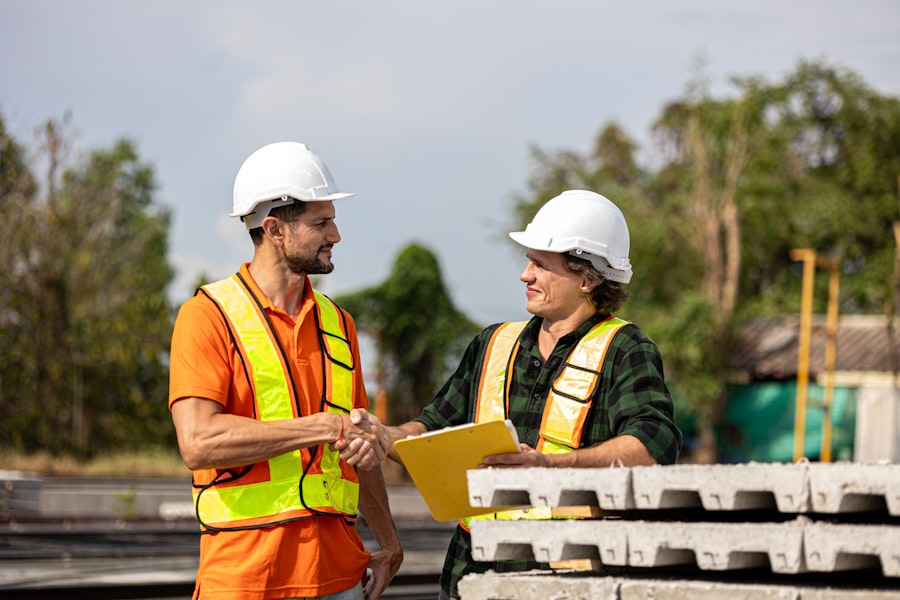
In my journey through construction law disputes, I have come to appreciate the role of mediation and arbitration as effective alternative dispute resolution (ADR) methods. Mediation involves a neutral third party who facilitates discussions between disputing parties to help them reach a mutually agreeable solution. I find this approach particularly beneficial because it allows for open communication and collaboration while avoiding the adversarial nature of litigation. Mediation can save time and resources while preserving relationships between parties.
Arbitration, on the other hand, is a more formal process where an arbitrator hears both sides of the dispute and makes a binding decision. While arbitration may seem more rigid than mediation, it offers a quicker resolution than traditional court proceedings. In my experience, many construction contracts include arbitration clauses, making it a common avenue for resolving disputes in this field. Both mediation and arbitration provide valuable alternatives to litigation, allowing me to resolve conflicts efficiently while minimizing disruption to ongoing projects.
Construction law disputes can often lead to complex legal challenges that require expert navigation. For those interested in understanding the intricacies of these disputes, a related article can provide valuable insights into the common issues faced in the industry. You can read more about this topic in the article found here, which discusses various aspects of construction law and offers guidance on how to effectively manage disputes.
Legal Remedies for Construction Law Disputes
When mediation and arbitration do not lead to satisfactory resolutions, I recognize that legal remedies may be necessary to address construction law disputes. One common remedy is monetary damages, which aim to compensate the injured party for losses incurred due to another party’s breach of contract or negligence. In my experience, calculating these damages can be complex, as they often involve assessing lost profits, additional costs incurred, and other financial impacts resulting from the dispute.
In some cases, specific performance may be sought as a legal remedy. This occurs when one party requests that the court compel the other party to fulfill their contractual obligations as originally agreed upon. While this remedy is less common in construction disputes due to its enforceability challenges, it can be appropriate in certain situations where monetary damages would not suffice. Understanding these legal remedies empowers me to navigate disputes more effectively and advocate for my interests when necessary.
The Importance of Documentation in Construction Law Disputes
As I reflect on my experiences with construction law disputes, I cannot overstate the importance of documentation. Proper documentation serves as a critical tool for establishing facts and supporting claims during disputes. From contracts and change orders to correspondence and progress reports, maintaining comprehensive records can make all the difference when conflicts arise. In my practice, I have learned that clear documentation not only helps clarify expectations but also provides evidence that can be invaluable in resolving disputes.
Moreover, I have found that documenting communications with all parties involved is equally important. Keeping detailed records of conversations, emails, and meetings ensures that there is a clear trail of information regarding decisions made throughout the project lifecycle. This level of transparency can help prevent misunderstandings and provide clarity if disputes arise later on. In essence, thorough documentation acts as both a shield and a sword; it protects my interests while also serving as a powerful tool for resolution.
Hiring a Construction Law Attorney
When faced with complex construction law disputes, I often find it beneficial to seek the expertise of a construction law attorney. These professionals possess specialized knowledge of construction regulations and legal principles that govern the industry. By hiring an attorney with experience in construction law, I gain access to valuable insights that can help me navigate disputes more effectively.
In my experience, an attorney can assist me in various ways throughout the dispute resolution process. They can provide guidance on contract interpretation, help me understand my rights and obligations, and represent me in negotiations or legal proceedings if necessary. Additionally, an attorney can help me assess potential outcomes and develop strategies tailored to my specific situation. Ultimately, having legal representation ensures that my interests are protected while allowing me to focus on resolving the dispute efficiently.
Preventing Construction Law Disputes
As I reflect on my experiences with construction law disputes, I recognize that prevention is often more effective than resolution. Taking proactive steps to prevent disputes from arising in the first place can save time, money, and stress for all parties involved. One key strategy I employ is ensuring clear communication from the outset of a project. Establishing open lines of communication among all stakeholders helps set expectations and fosters collaboration throughout the project lifecycle.
Additionally, I prioritize thorough contract drafting and review before commencing any construction work. A well-drafted contract should clearly outline each party’s roles and responsibilities while addressing potential risks and contingencies. By anticipating potential issues upfront and including provisions for dispute resolution within the contract itself, I can significantly reduce the likelihood of conflicts arising later on. Ultimately, investing time and effort into prevention strategies pays dividends by creating a smoother construction process and minimizing disputes down the line.
In conclusion, navigating construction law disputes requires a comprehensive understanding of the legal landscape surrounding this field. By recognizing common issues, taking proactive steps when disputes arise, utilizing alternative dispute resolution methods like mediation and arbitration, understanding legal remedies available, emphasizing documentation’s importance, seeking legal counsel when necessary, and implementing preventive measures, I can effectively manage conflicts in construction projects while safeguarding my interests and fostering positive relationships with all parties involved.
FAQs
What are construction law disputes?
Construction law disputes are legal conflicts that arise in the construction industry, typically involving issues such as contract disputes, construction defects, payment disputes, and delays.
What are common causes of construction law disputes?
Common causes of construction law disputes include breach of contract, defective workmanship, design errors, delays, cost overruns, and payment issues between parties involved in a construction project.
How are construction law disputes typically resolved?
Construction law disputes can be resolved through negotiation, mediation, arbitration, or litigation. Many construction contracts include dispute resolution clauses that outline the process for resolving conflicts.
What role do construction lawyers play in construction law disputes?
Construction lawyers provide legal representation and advice to parties involved in construction law disputes. They help clients navigate complex construction contracts, regulations, and laws, and advocate for their interests in dispute resolution processes.
What steps can be taken to prevent construction law disputes?
To prevent construction law disputes, parties involved in construction projects can take proactive measures such as clearly defining project scope and expectations in contracts, maintaining open communication, documenting all project activities, and addressing issues promptly to avoid escalation.