

Defending Against Fraud Charges: Your Legal Defense Options
When I first encountered the term “fraud charges,” I was struck by the weight of its implications. Fraud, in its essence, involves deceitful practices aimed at securing an unfair or unlawful gain. This can manifest in various forms, such as credit card fraud, insurance fraud, or securities fraud, each with its own set of complexities and legal ramifications. Understanding the nature of these charges is crucial for anyone who finds themselves facing such allegations. The legal system treats fraud seriously, often resulting in severe penalties that can include hefty fines and imprisonment.
As I delved deeper into the specifics of fraud charges, I realized that the prosecution must prove certain elements to secure a conviction. They need to establish that I knowingly engaged in deceptive behavior with the intent to defraud another party. This understanding became pivotal for me, as it highlighted the importance of intent and knowledge in these cases. The nuances of each type of fraud can vary significantly, and recognizing these differences can be the key to mounting a successful defense.
If you’re looking for insights on defending against fraud charges, you might find the article on fraud defense strategies particularly helpful. It discusses various legal approaches and considerations that can be crucial in building a strong defense. For more information, you can read the article here: Fraud Charges Defense Strategies.
Hiring an Experienced Defense Attorney
Once I grasped the gravity of the situation, I knew that hiring an experienced defense attorney was my next step. The legal landscape surrounding fraud charges is intricate and often overwhelming for someone without a legal background. An attorney who specializes in white-collar crimes can provide invaluable insights and guidance throughout the process. Their expertise not only helps in navigating the complexities of the law but also in understanding the potential consequences of various legal strategies.
In my search for a defense attorney, I prioritized finding someone with a proven track record in handling fraud cases. I learned that an attorney’s experience can significantly influence the outcome of my case. They can assess the strengths and weaknesses of the prosecution’s case against me and develop a tailored defense strategy. Moreover, having a skilled attorney by my side can alleviate some of the stress associated with facing such serious charges, allowing me to focus on my defense rather than getting lost in legal jargon.
Building a Strong Defense Strategy
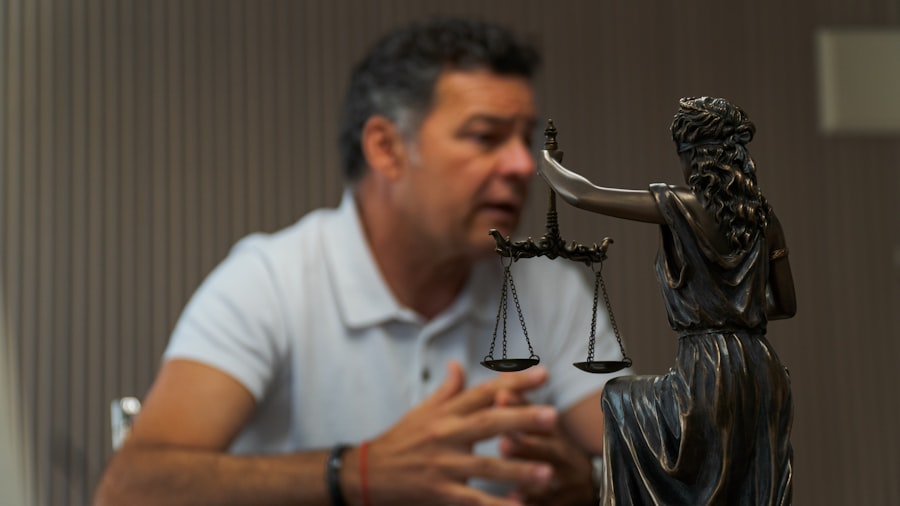
With my attorney on board, we began the critical process of building a strong defense strategy. This phase required a thorough examination of the evidence against me and an exploration of potential defenses that could be employed. My attorney emphasized the importance of gathering all relevant documentation and witness statements to support my case.
This meticulous approach not only bolstered my defense but also provided me with a clearer understanding of how to counter the prosecution’s claims. As we worked together, I learned about various defense strategies that could be effective in fraud cases. For instance, demonstrating a lack of intent to defraud can be a powerful argument.
If I could show that my actions were based on misunderstandings or miscommunications rather than malicious intent, it could significantly weaken the prosecution’s case. Additionally, we explored the possibility of challenging the credibility of witnesses or evidence presented against me, which could further strengthen my position.
Challenging the Evidence

One of the most critical aspects of my defense strategy involved challenging the evidence presented by the prosecution. I quickly realized that evidence in fraud cases can often be circumstantial or based on assumptions rather than concrete facts. My attorney guided me through this process, helping me understand how to scrutinize each piece of evidence meticulously. We focused on identifying any inconsistencies or gaps that could undermine the prosecution’s narrative.
In our discussions, we explored various methods for challenging evidence effectively. For instance, if certain documents were obtained unlawfully or if witness testimonies were inconsistent, we could argue for their exclusion from the trial. Additionally, we examined whether any expert witnesses could provide testimony that contradicted the prosecution’s claims. This phase was not only about defending myself but also about empowering me with knowledge regarding how evidence is evaluated in court.
When facing fraud charges, understanding the legal landscape is crucial for mounting an effective defense. A comprehensive approach often involves consulting with an experienced attorney who can navigate the complexities of the law. For instance, if you’re also dealing with traffic violations, you might find it beneficial to read about the importance of legal representation in such cases. You can explore this topic further in the article on why you need an attorney to fight a traffic ticket at this link. Having knowledgeable legal support can make a significant difference in the outcome of your case.
Negotiating a Plea Deal
As we progressed through the legal process, my attorney broached the topic of negotiating a plea deal. This option can often be advantageous in fraud cases, especially when the evidence against me is strong. A plea deal could potentially result in reduced charges or lighter penalties, allowing me to avoid the uncertainties and risks associated with going to trial. My attorney explained that this approach requires careful consideration and strategic negotiation skills.
I found myself weighing the pros and cons of accepting a plea deal versus pursuing a trial. On one hand, accepting a deal could provide some closure and allow me to move forward with my life more quickly. On the other hand, I was aware that pleading guilty could carry its own set of consequences, including a criminal record that might affect my future opportunities. Ultimately, my attorney and I engaged in thorough discussions about my options, ensuring that I felt informed and confident in whatever decision I made.
Going to Trial
If negotiations for a plea deal did not yield favorable results, I knew that going to trial would be my next step. The prospect of standing before a judge and jury was daunting, but I understood that it was also an opportunity to present my case fully. My attorney prepared me for this possibility by walking me through what to expect during the trial process. We discussed everything from jury selection to opening statements and witness testimonies.
As we approached trial day, I felt a mix of anxiety and determination. My attorney emphasized the importance of presenting a compelling narrative that would resonate with the jury. We rehearsed my testimony extensively, ensuring that I could articulate my side of the story clearly and confidently. The trial itself became a pivotal moment for me—not just as a legal proceeding but as an opportunity to reclaim my narrative and fight against the allegations that had been leveled against me.
Potential Consequences and Penalties
Throughout this journey, I became acutely aware of the potential consequences and penalties associated with fraud charges. The legal system does not take these offenses lightly; convictions can lead to significant fines, restitution payments, and even lengthy prison sentences. Understanding these potential outcomes was essential for me as I navigated my defense strategy and made decisions about how to proceed.
The reality of facing such severe penalties weighed heavily on my mind. I learned that even if I were to receive a lighter sentence through a plea deal or favorable verdict at trial, the repercussions could still impact various aspects of my life—my career prospects, personal relationships, and overall reputation could all be at stake. This understanding fueled my determination to work closely with my attorney to build a robust defense and explore every possible avenue for mitigating these consequences.
Seeking Legal Counsel and Guidance
In retrospect, seeking legal counsel and guidance was one of the most crucial steps I took during this challenging time. The complexities surrounding fraud charges can be overwhelming for anyone without legal expertise, and having an experienced attorney by my side made all the difference. They not only provided me with essential knowledge about the legal process but also offered emotional support during a time filled with uncertainty.
As I reflect on this journey, I recognize that navigating fraud charges is not just about understanding laws and regulations; it’s about having someone who believes in your case and fights for your rights. My attorney became an advocate for me, ensuring that I was informed at every step and empowering me to make decisions that aligned with my best interests. Seeking legal counsel was not merely a formality; it was an essential lifeline that helped me navigate one of the most challenging periods of my life with confidence and clarity.
FAQs
What are common types of fraud charges?
Fraud charges can include offenses such as credit card fraud, insurance fraud, identity theft, securities fraud, and wire fraud. Each type involves intentionally deceiving another party for financial or personal gain.
What should I do if I am accused of fraud?
If you are accused of fraud, it is important to seek legal counsel immediately. Avoid discussing the case with others and gather any relevant documents or evidence that may support your defense.
What are possible defenses against fraud charges?
Common defenses include proving lack of intent to defraud, demonstrating that the accused did not knowingly participate in fraudulent activity, showing errors in the prosecution’s evidence, or establishing that the accused had permission to use the property or information in question.
What penalties can result from a fraud conviction?
Penalties vary depending on the severity and type of fraud but can include fines, restitution, probation, and imprisonment. Convictions may also result in a permanent criminal record affecting future employment and financial opportunities.
How can a fraud defense attorney help in a fraud case?
A fraud defense attorney can provide legal advice, investigate the charges, gather evidence, negotiate plea deals, and represent the accused in court to ensure their rights are protected and to work toward the best possible outcome.