

Championing Justice: Civil Rights Attorney Fights for Equality
Reflecting on my early life, I realize how pivotal those formative years were in shaping my values and aspirations. Born into a family that valued education and social justice, I was surrounded by discussions about civil rights and the importance of standing up for what is right. My parents, both educators, instilled in me a sense of responsibility towards my community. They often shared stories of historical figures who fought against injustice, which ignited a fire within me to pursue a path that would allow me to advocate for those who could not advocate for themselves.
Growing up in a diverse neighborhood, I witnessed firsthand the struggles faced by marginalized communities. The disparities in access to education, healthcare, and legal representation were glaringly evident. These experiences fueled my desire to become a lawyer, as I believed that the law could be a powerful tool for change. I often found myself inspired by the resilience of those around me, and I knew that I wanted to dedicate my life to fighting for equality and justice.
Civil rights attorneys play a crucial role in advocating for justice and equality, often addressing issues that intersect with family law. For those interested in understanding how family law can impact civil rights, a related article can be found at Spring River Law – Family Law, which explores various aspects of family law and its implications for individual rights and protections. This resource provides valuable insights into how legal representation can affect families and their civil liberties.
Education and Legal Career
My educational journey was marked by determination and a relentless pursuit of knowledge. I attended a local public school where I excelled academically, driven by the desire to make a difference. After high school, I enrolled in a prestigious university, where I majored in political science. The curriculum not only deepened my understanding of governmental systems but also exposed me to the complexities of social justice issues. I became actively involved in student organizations that focused on civil rights advocacy, which further solidified my commitment to this path.
Upon completing my undergraduate degree, I was accepted into law school, an achievement that felt like a significant milestone in my journey. Law school was both challenging and transformative; it honed my analytical skills and taught me the intricacies of legal reasoning. I immersed myself in courses related to constitutional law and civil rights, eager to learn how I could leverage the law to effect change. During this time, I also participated in various internships that provided practical experience in legal settings, allowing me to witness the impact of legal advocacy on real lives.
Groundbreaking Cases and Legal Victories
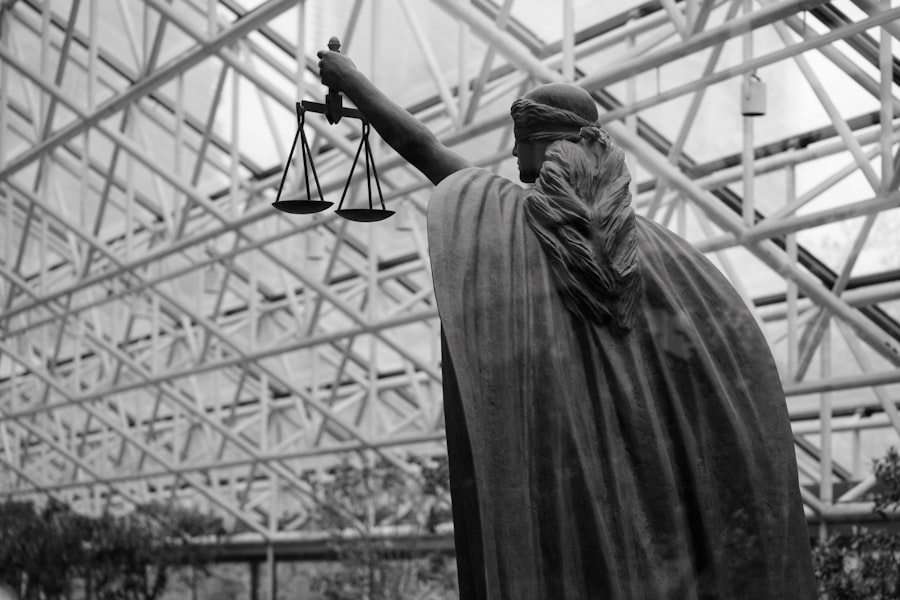
As I embarked on my legal career, I was fortunate to be involved in several groundbreaking cases that would define my professional journey. One of the most significant cases I worked on involved challenging discriminatory practices in housing policies. The case garnered national attention and highlighted the systemic inequalities that persisted in our society.
Through meticulous research and passionate advocacy, we were able to secure a ruling that mandated changes in housing regulations, ensuring fair access for all individuals regardless of their background. Another pivotal moment came when I represented a group of individuals who had been wrongfully convicted. The emotional weight of their stories resonated deeply with me, and I was determined to fight for their exoneration.
After years of tireless work, we were able to present new evidence that ultimately led to their release. This victory not only restored their freedom but also underscored the importance of due process and the need for reform within the criminal justice system.
Advocacy for Marginalized Communities
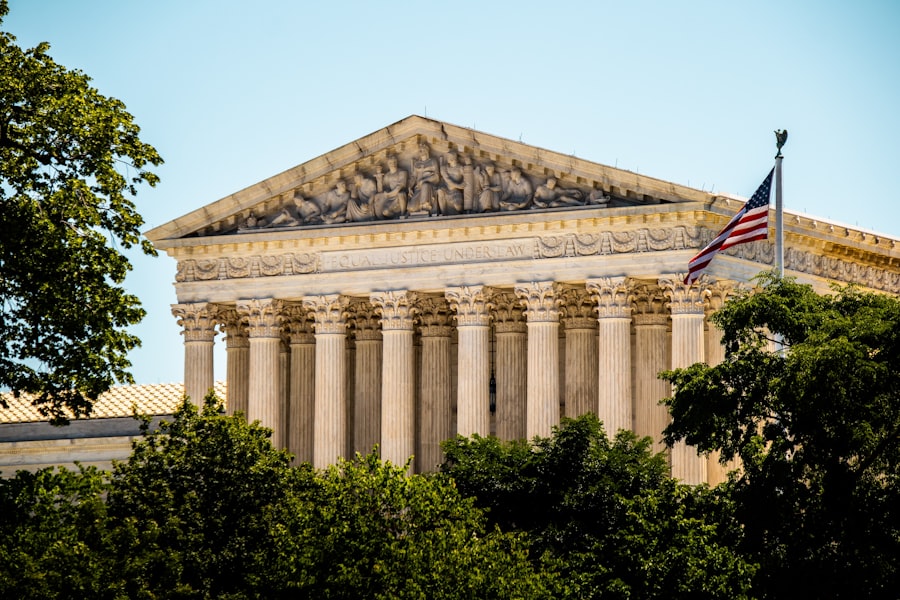
Throughout my career, advocating for marginalized communities has been at the forefront of my work. I have always believed that everyone deserves equal protection under the law, regardless of their race, gender, or socioeconomic status. This belief has driven me to collaborate with various organizations focused on civil rights issues, where I have had the privilege of amplifying the voices of those who are often silenced.
One of my proudest achievements has been working with grassroots organizations to develop legal clinics that provide free legal assistance to low-income individuals. These clinics not only offer essential services but also empower community members by educating them about their rights. Witnessing the transformation in individuals who once felt powerless has been incredibly rewarding and reinforces my commitment to this vital work.
Civil rights attorneys play a crucial role in defending the rights of individuals, particularly in cases involving law enforcement and personal liberties. For those interested in understanding the complexities surrounding legal rights during traffic stops, a related article discusses the implications of refusing a breath test. This informative piece can be found at this link, where readers can gain insights into the legal ramifications and the importance of knowing one’s rights in such situations.
Impact on Civil Rights Legislation
My efforts in the legal arena have contributed to significant advancements in civil rights legislation. By participating in advocacy campaigns and collaborating with lawmakers, I have been able to influence policy changes that promote equality and justice. One notable achievement was my involvement in drafting legislation aimed at addressing systemic racism within law enforcement practices. This legislation sought to implement comprehensive training programs for police officers and establish accountability measures for misconduct.
The passage of this legislation marked a turning point in our community’s approach to policing and underscored the importance of community engagement in shaping policy. It was a testament to the power of collective action and demonstrated that change is possible when individuals come together with a shared vision for justice.
Civil rights attorneys play a crucial role in advocating for justice and equality, often representing individuals whose rights have been violated. For those interested in understanding the broader implications of personal injury law and how it intersects with civil rights, a related article can provide valuable insights. You can explore more about this topic in the article on personal injury law found here, which discusses the various aspects of legal representation and the importance of protecting individual rights.
Challenges and Opposition Faced
Despite the progress made, my journey has not been without challenges and opposition. Throughout my career, I have encountered resistance from those who oppose civil rights advancements. There have been moments when my work has drawn criticism from powerful entities resistant to change, leading to intense scrutiny and backlash. However, these challenges have only strengthened my resolve to continue fighting for justice.
I have learned that facing opposition is an inherent part of advocating for marginalized communities. It requires resilience and an unwavering commitment to one’s principles. Each setback has served as a reminder of the importance of perseverance in the face of adversity. I have found solace in the support of like-minded individuals who share my passion for equality, reminding me that we are not alone in this fight.
Personal Philosophy and Motivation
At the core of my work lies a personal philosophy rooted in empathy and justice. I believe that every individual deserves dignity and respect, regardless of their circumstances. This belief motivates me daily as I navigate the complexities of the legal system. I strive to approach each case with compassion, understanding that behind every legal issue is a human story filled with hopes, dreams, and struggles.
My motivation is further fueled by the stories of those I represent. Each client brings their unique experiences and challenges, reminding me why I chose this path in the first place. Their resilience inspires me to push through obstacles and continue advocating for change. I often reflect on the words of civil rights leaders who came before me; their courage serves as a guiding light in my pursuit of justice.
Legacy and Continued Fight for Equality
As I look toward the future, I am acutely aware of the ongoing fight for equality that lies ahead. While significant strides have been made in civil rights, there is still much work to be done. My legacy will not be defined solely by past victories but by my continued commitment to advocating for those who are marginalized and oppressed.
I envision a future where equality is not just an aspiration but a reality for all individuals. To achieve this vision, I will continue to engage with communities, educate others about their rights, and challenge unjust systems. The fight for equality is far from over, but with each step forward, I am reminded that change is possible when we stand together in solidarity.
In conclusion, my journey has been shaped by early inspirations, educational pursuits, groundbreaking legal victories, and an unwavering commitment to advocacy. As I reflect on my experiences, I am filled with gratitude for the opportunities I’ve had to make a difference in the lives of others. The road ahead may be challenging, but it is one that I am prepared to navigate with determination and hope for a more just world.
FAQs
What does a civil rights attorney do?
A civil rights attorney specializes in cases involving discrimination, harassment, and violations of individuals’ constitutional rights. They may represent clients in cases related to employment discrimination, police misconduct, housing discrimination, and other civil rights issues.
What qualifications are required to become a civil rights attorney?
To become a civil rights attorney, one typically needs to complete a bachelor’s degree, attend law school, and pass the bar exam. Many civil rights attorneys also pursue additional education or training in civil rights law and related areas.
What types of cases does a civil rights attorney handle?
Civil rights attorneys handle a wide range of cases, including those related to racial discrimination, gender discrimination, disability discrimination, LGBTQ rights, religious discrimination, and violations of constitutional rights such as freedom of speech and assembly.
How does a civil rights attorney help their clients?
Civil rights attorneys help their clients by providing legal representation, advocating for their rights, and seeking justice and compensation for any harm or discrimination they have experienced. They may also work to bring about systemic change through impact litigation and advocacy efforts.
Where can I find a civil rights attorney?
Civil rights attorneys can be found at law firms that specialize in civil rights law, as well as at nonprofit organizations, government agencies, and legal aid organizations. Additionally, bar associations and legal directories can be helpful resources for finding a qualified civil rights attorney.